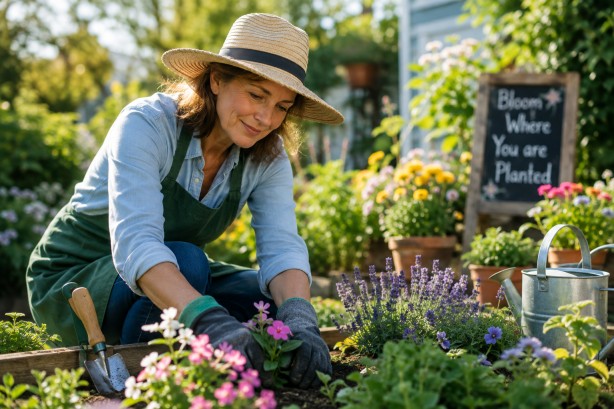
Gardening is widely regarded as a tranquil pastime, yet its benefits may extend beyond merely beautifying one’s outdoor surroundings. The act of nurturing plants integrates physical exercise, outdoor exposure, sensory engagement, and a bond with nature, all of which are elements that can enhance overall well-being. Studies have connected gardening to numerous physical and mental health advantages, suggesting that this activity might be a key component of a healthier lifestyle.
Engaging in gardening exercises both the body and mind, as it involves planning, movement, and sensory use. Tasks such as selecting plants, adhering to care schedules, and handling soil offer consistent mental stimulation. Research suggests that regular gardening is linked to improved cognitive function, likely due to its combination of physical activity, mental engagement, and mood enhancement.
The relaxing atmosphere created by greenery can significantly mitigate stress levels. Activities like watering, pruning, and planting, or simply enjoying the presence of nature, can offer a respite from everyday stressors. Reduced stress is associated with enhanced overall health, making gardening a beneficial addition to a well-rounded lifestyle. Furthermore, gardening offers a sense of purpose and achievement, encouraging individuals to spend more time outdoors and less time on daily distractions. Studies have linked gardening to better mood, reduced anxiety and depression, and greater life satisfaction.
Gardening promotes physical activity through the various tasks it entails, such as digging, planting, watering, and carrying soil. These activities engage different muscle groups and contribute to increased daily movement. For those who spend a lot of time sitting, gardening offers a practical way to incorporate more exercise while performing a rewarding task. The exposure to daylight while gardening also allows for the production of vitamin D, essential for bone health, immune function, and overall well-being. However, it is crucial to balance sun exposure with appropriate protection.
By combining physical activity, stress relief, outdoor exposure, and healthier habits, gardening may support long-term health. Research indicates that older adults who garden enjoy better cardiovascular health and reduced risks of certain lifestyle-related conditions. While gardening alone cannot guarantee longevity, it can be a vital part of an active, balanced lifestyle that supports healthier aging. Importantly, gardening does not require a vast backyard or advanced skills. Simple efforts like growing herbs, maintaining indoor plants, or tending to flowers can provide opportunities for movement, relaxation, and connecting with nature, thus integrating physical activity, outdoor time, and mental relaxation into daily life.