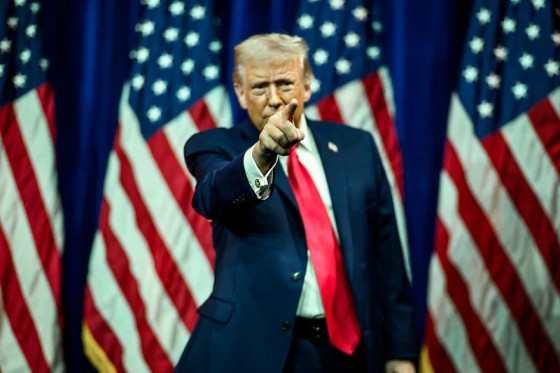
During a cabinet meeting, US President Donald Trump issued a stern warning to Oman, cautioning that the United States would respond decisively if Oman supported initiatives to regulate access through the Strait of Hormuz, a crucial artery for global oil shipments. Emphasizing the importance of this strategic passage, Trump declared that the Strait “is going to be open to everybody,” and firmly stated that no nation would be permitted to exert control over it.
Trump’s remarks followed reports suggesting that Iran and Oman were contemplating a plan to levy transit fees on vessels navigating this vital waterway. He reiterated the United States’ commitment to overseeing the Strait and ensuring freedom of navigation, highlighting that any non-cooperation from Oman would lead to severe repercussions. In a pointed comment, Trump asserted that Oman “will behave just like everybody else.”
The Strait of Hormuz is a critical passageway as it handles nearly 20% of the world’s oil supply. The region has recently witnessed significant disruptions amid the heightened tensions stemming from the US-Israel conflict with Iran. These developments have raised alarm over potential impacts on global energy supplies and the broader regional security landscape.
Oman holds a unique position as a long-standing ally of the United States, frequently serving as a mediator in regional disputes and diplomatic dialogues involving Iran and Western nations. Despite this role, Trump’s comments reflect a clear message that the US expects Oman to align with its stance concerning the strait’s accessibility.
In addition to addressing the situation with Oman, Trump criticized Iran for allegedly stalling ongoing negotiations, suggesting that Tehran might be hoping for a shift in the US political scene with the upcoming midterm elections. This accusation adds another layer of complexity to the already tense relations between the US and Iran.