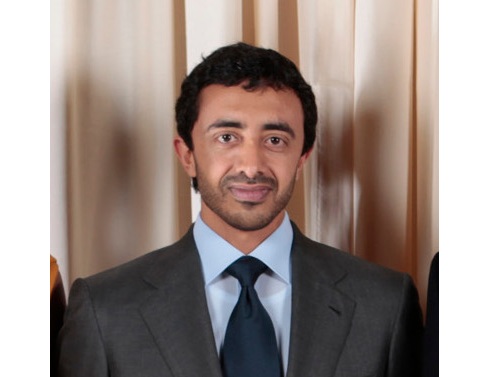
In a recent phone call with Kuwaiti Foreign Minister Sheikh Jarrah Jaber Al Sabah, UAE Deputy Prime Minister and Minister of Foreign Affairs Sheikh Abdullah bin Zayed denounced Iran’s missile and drone strikes on Kuwait, labeling them as acts of terrorism. This conversation took place in the wake of these aggressive actions, which have heightened concerns about regional security.
The Kuwaiti government has confirmed that its air defense systems successfully intercepted the incoming missiles and drones, and reassured the public that the explosions heard were the result of these defensive measures. The talks between the UAE and Kuwaiti officials centered on the regional security climate following the attacks, with both countries underscoring the importance of maintaining stability in the Gulf.
Sheikh Abdullah conveyed the UAE’s unwavering support for Kuwait, emphasizing the close security ties between the two nations. He stressed that the security of Kuwait is intrinsically linked to that of the UAE and the broader Gulf region, highlighting the UAE’s commitment to assist in any actions necessary to protect Kuwait’s safety and territorial integrity.
This incident occurs amid ongoing diplomatic negotiations between the United States and Iran, with some indication of progress from US officials, although a final agreement has yet to be reached. Concurrently, maritime security tensions remain high in the Strait of Hormuz, with Iran condemning recent US statements on shipping activities in the area as unlawful and in breach of international laws.
The UAE’s expression of solidarity with Kuwait reflects broader regional anxieties over security and stability, as diplomatic efforts continue to unfold against a backdrop of elevated military tensions in the Gulf. The situation underscores the complex interplay of diplomacy and defense in the region, with countries like the UAE and Kuwait navigating these challenges together.