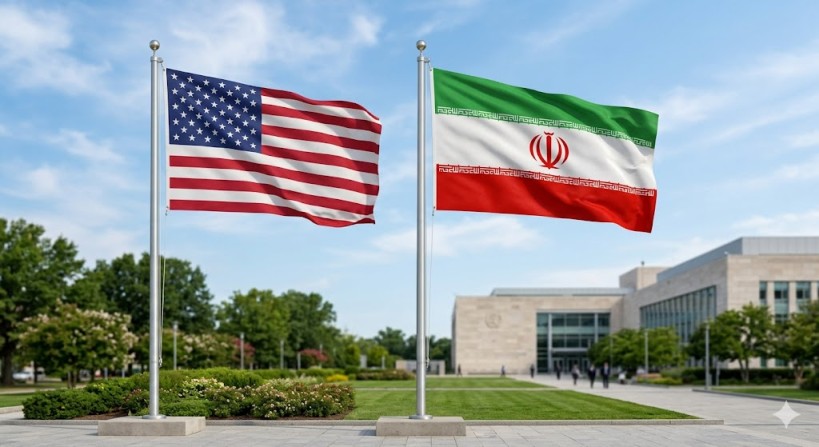
Efforts to ease tensions between the United States and Iran have made minimal headway this week, as discussions aimed at extending a ceasefire and mitigating conflict in the Middle East continue. Despite ongoing negotiations, significant progress remains elusive, with both parties still grappling with critical issues.
President Donald Trump has indicated that talks with Iran are nearing a conclusion, yet Iranian Foreign Minister Abbas Araghchi has reported a lack of meaningful advances. Communication between the two nations persists, albeit indirectly, with mediators facilitating dialogue. A major sticking point is Iran’s insistence on a ceasefire in Lebanon as a precondition for any broader agreement with the U.S.
Central to the proposed deal is the extension of the existing truce and the reopening of the Strait of Hormuz, a crucial maritime route for global oil shipments. However, the situation in Lebanon remains volatile, with ongoing clashes between Israeli forces and Hezbollah, an Iran-supported organization. Hezbollah has dismissed a ceasefire proposal endorsed by the U.S., and hostilities in southern Lebanon continue unabated.
The uncertainty surrounding these diplomatic efforts has also had repercussions on global energy markets. The potential for disruptions in the Strait of Hormuz—a vital conduit for oil transport—has investors on edge, as any obstruction could have significant consequences for energy supply and pricing across the globe.
Amid these challenges, diplomatic initiatives persist, as both regional and international actors strive to curtail further conflict and establish a comprehensive agreement that could bring stability to the region. Stakeholders remain engaged in seeking a resolution that avoids escalation and facilitates a lasting peace.