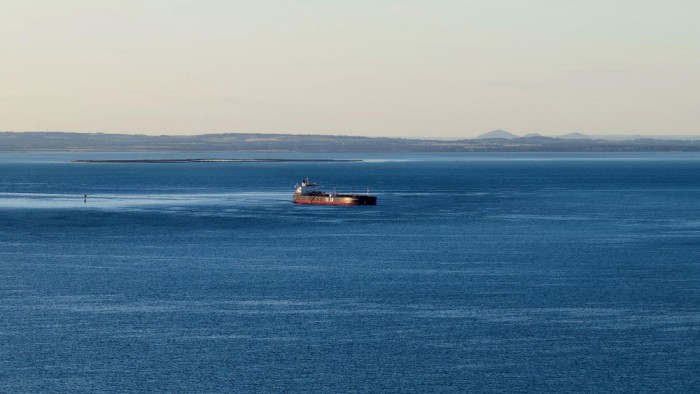
In a significant move to address escalating tensions, the United States and Iran have agreed to suspend military actions and engage in discussions in Doha. This development follows a series of mutual attacks over the weekend that raised concerns about the continuation of a delicate ceasefire and the potential for a broader conflict in the Middle East. US officials have confirmed that military operations will be temporarily halted to allow commercial ships to navigate through the vital Strait of Hormuz without hindrance.
The recent spike in hostilities was triggered by assaults on commercial vessels transiting the Strait of Hormuz, a crucial maritime corridor. The United States accused Iran of jeopardizing maritime security, which led to American military strikes on Iranian targets. In response, Iran, denying culpability for the initial attacks, launched retaliatory strikes on US facilities in Kuwait and Bahrain. Tehran condemned the US military actions as breaches of international norms, while Washington defended its strikes as justified responses to ceasefire violations by Iran.
Attention now turns to the forthcoming discussions in Doha, which will prioritize technical issues concerning the safe passage of ships through the Strait of Hormuz and explore future strategies for managing this essential waterway. Originally, these talks were intended to focus on Iran’s nuclear activities, but the agenda shifted following the recent military flare-up. The talks aim to prevent further disruptions in a region that is pivotal for global oil and gas transportation.
The Strait of Hormuz holds immense strategic importance as it channels a substantial share of the world’s oil and gas supplies. By reaching an agreement to pause hostilities, both nations aim to restore normal shipping operations and avert further instability in this critical area. The successful management of tensions here could not only stabilize regional security but also reassure global markets sensitive to disruptions in energy supplies.