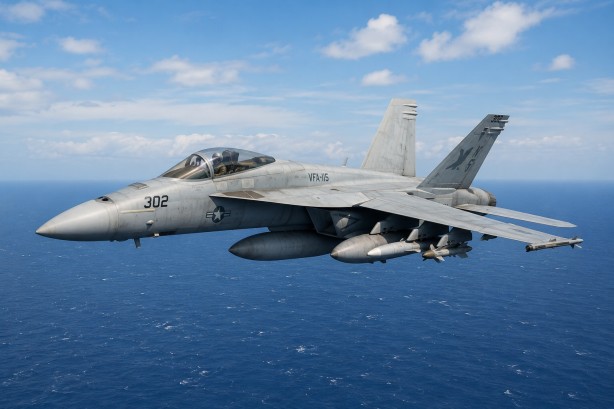
The ongoing tension between the United States and Iran has escalated, with both nations engaging in fresh attacks that have heightened concerns about a broader regional conflict, despite a temporary agreement reached last month. The U.S. has launched strikes on various targets, including areas around Tehran and a vessel accused of breaching its naval blockade. Iranian officials have reported casualties and criticized the strikes, which have affected areas near civilian infrastructure.
In retaliation, Iran has fired missiles and deployed drones targeting several countries in the region that host U.S. military bases, such as Bahrain, Jordan, and Kuwait. This has amplified regional security worries, particularly following drone activities reported near Iraqi oil facilities. The situation around the Strait of Hormuz, a vital passage for global shipping, has also become more tense. Iran has issued warnings against foreign interference in the waterway, hinting at the possibility of extending its military actions if its strategic sites face further attacks.
The disturbances in the Strait of Hormuz have sparked fears over the stability of global energy supplies, resulting in increased oil prices. In light of the ongoing hostilities, several nations are re-evaluating their maritime security protocols, and shipping through this crucial corridor has noticeably slowed.
Despite the military confrontations, efforts to rekindle diplomatic negotiations persist. Nevertheless, officials in both Washington and Tehran have expressed significantly divergent views, casting doubt on the likelihood of achieving a lasting ceasefire. The conflicting positions underscore the complexity of arriving at a peaceful resolution in the near future.