Oman’s inflation rate experienced a notable increase, reaching 2.9% in October 2026, consistent with the average inflation for the period from January to October of the same year. This rise reflects a broad escalation in prices across several key sectors within the country.
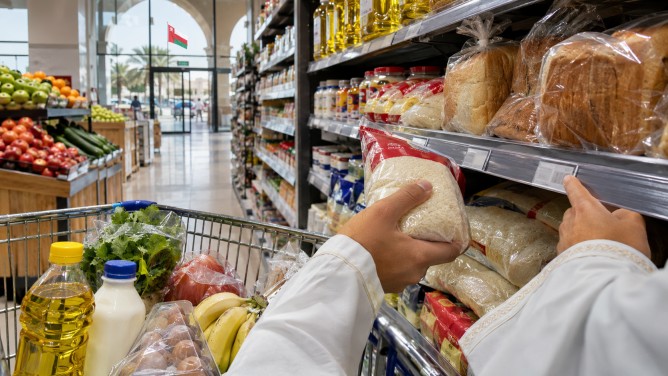
The food and beverages sector led the surge with a substantial annual price increase of 7.6%. Transport and tobacco followed with rises of 5.6% and 4.7%, respectively. Additionally, costs in restaurants and hotels, healthcare, household goods, and other sectors saw upward trends, while housing and utility costs saw a marginal increase of 0.1%.
On a regional scale, the areas of A’Dhahirah and Al Wusta reported the highest inflation rates at 3.8% each, closely followed by Muscat at 3%. Conversely, Dhofar registered the lowest inflation rate in the country at 2.1%, highlighting regional disparities in price increases.
Within the food category, vegetables saw a dramatic price surge of 17%, fruits climbed by 16.9%, and meat prices rose by 10.5%. These increases underscore mounting price pressures on essential food items, affecting households across Oman.