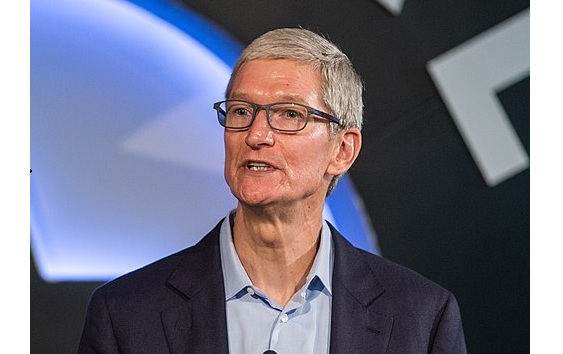
During the Worldwide Developer Conference (WWDC), Apple unveiled a comprehensive artificial intelligence strategy, signaling a significant evolution in its ecosystem under the leadership of CEO Tim Cook, who delivered what is anticipated to be his concluding keynote. The company’s new direction emphasizes enhancements across its platforms, bolstered trust and safety features, and a substantial upgrade to Siri, marking a noteworthy advancement in the voice assistant’s capabilities.
In conjunction with its AI initiative, Apple showcased the forthcoming iterations of its operating systems for iPhone, iPad, Mac, Apple Watch, and Apple TV. These updates are geared towards improved performance, increased responsiveness, and more seamless integration within the Apple ecosystem. Users can expect faster app launch times, more efficient data processing, and a revamped system scheduling that aims to enhance performance even on older devices.
At the heart of Apple’s announcement was a renewed commitment to AI-driven functionalities through its “Apple Intelligence” framework. This system is designed to merge on-device processing with cloud-based capabilities, enabling more sophisticated reasoning, visual comprehension, and contextual assistance within applications. A notable upgrade to Siri is also on the horizon, allowing it to understand personal context, perform actions across different apps, and provide more pertinent responses based on user activity. Furthermore, Siri will support continuity across Apple products, facilitating task transitions between devices without interruption.
Apple has reiterated its strong stance on privacy, assuring users that personal data will not be stored for training purposes and will only be utilized for processing specific requests. Additionally, the company announced enhanced child safety and parental control features. These tools aim to provide parents with greater control over their children’s app usage, communication, and web access across Apple’s devices.
The rollout of these AI-powered features is expected to coincide with upcoming operating system updates later this year. This move positions Apple’s ecosystem for a deeper integration of generative AI, promising smarter user interactions and more intuitive device usage in the future.