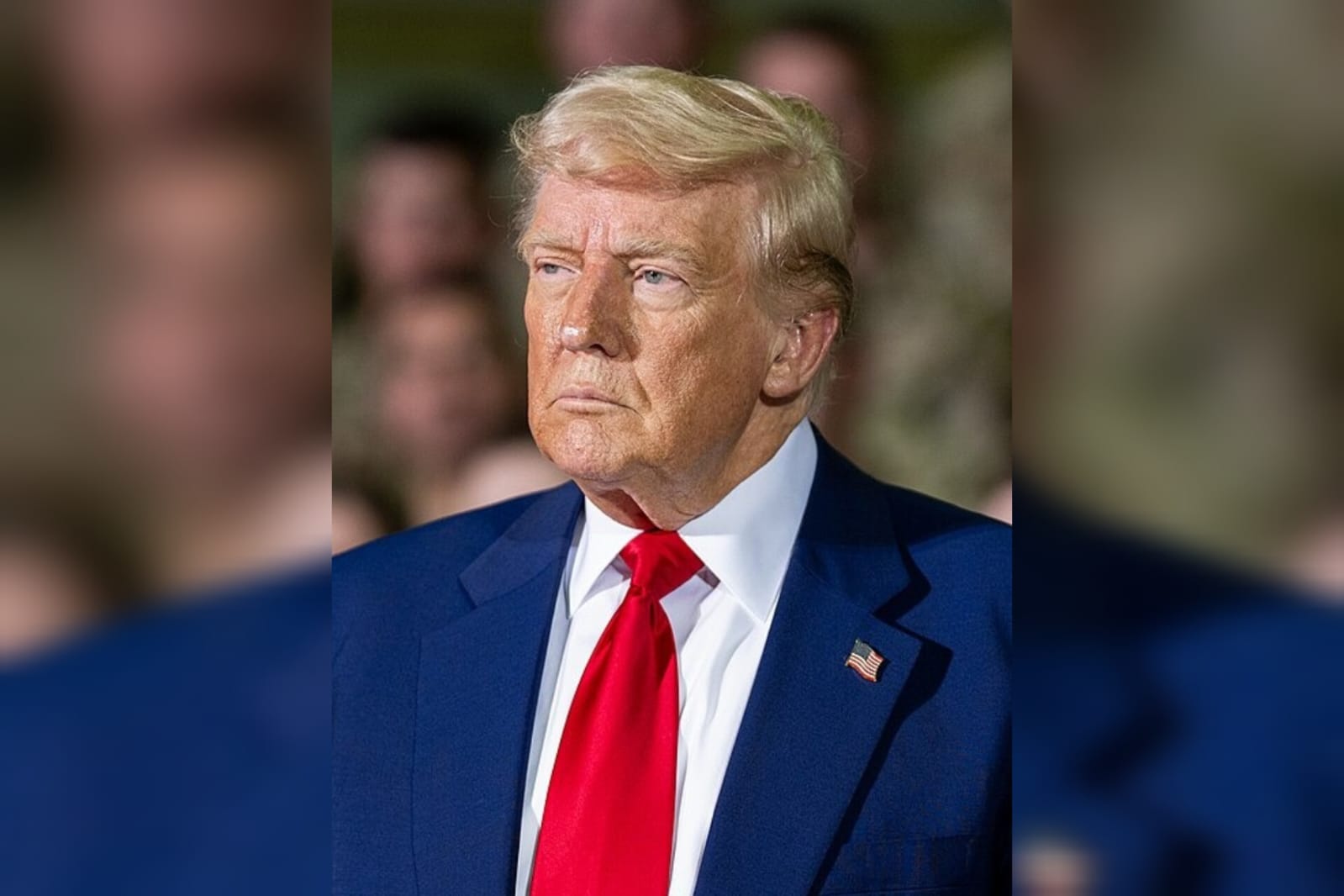
In a recent development, U.S. President Donald Trump has signed an agreement with Iran that he claims will greatly enhance Israel’s security by mitigating the threat of a nuclear attack from Tehran. In discussions with Israeli Prime Minister Benjamin Netanyahu, Trump assured that the deal directly addresses Israel’s primary security concern regarding Iran’s nuclear capabilities. He emphasized the agreement as a crucial security measure, ensuring that the risk of a nuclear strike against Israel would be significantly reduced. Trump hailed this outcome as a major achievement, stating it was the “most important” aspect in safeguarding Israel.
Trump explained that the agreement was discussed with Netanyahu before its signing, highlighting it as a strategic move aimed at bolstering Israel’s security in the long term. Despite the ongoing regional tensions, Trump conveyed confidence that Israel would view the deal favorably. The memorandum, which consists of 14 points, outlines a 60-day negotiation window focusing on Iran’s nuclear program. It also includes initiatives to reopen vital trade routes and alleviate certain sanctions, with additional provisions aimed at promoting regional stability.
While the U.S. administration portrays the accord as a victory for security, the reaction within Israel has been mixed. Some critics argue that by easing pressure on Iran, the agreement could inadvertently bolster its influence in the region. Conversely, proponents of diplomatic engagement suggest that the deal could help de-escalate potential conflicts. The debate reflects the broader tensions in Israeli domestic politics, where the government faces scrutiny over its regional strategies.
Political opponents in Israel have criticized the current leadership, suggesting that the handling of regional policies has involved strategic errors. Despite these criticisms, the precise effects and successful execution of the U.S.–Iran agreement remain uncertain as the negotiations progress. Meanwhile, unresolved issues, such as Israel’s military activities in Lebanon, continue to pose significant challenges and remain sensitive topics in the ongoing discussions.