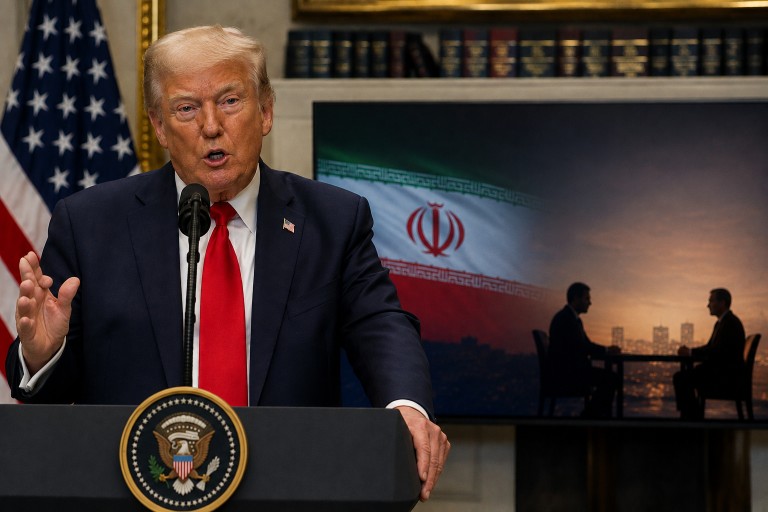
Amid rising tensions between the United States and Iran, President Donald Trump announced that a planned military strike on Iran was aborted. According to Trump, this decision followed assurances that discussions were nearing a framework agreement to reopen the crucial Strait of Hormuz and address issues surrounding Iran’s nuclear ambitions. The decision, Trump noted, came after appeals from Iran and several other nations in the Middle East, with Israel reportedly backing this diplomatic approach.
Nevertheless, Iran dismissed Trump’s assertion that it had sought the cessation of the military action, categorizing the claims as inaccurate. Iranian officials emphasized that their military remains vigilant and prepared to defend against any aggression. They also issued a stark warning that any military actions by either the U.S. or Israel would result in a robust counterattack, potentially targeting energy infrastructure within the region.
The situation has perpetuated unease within global energy markets, with particular anxiety over potential disruptions in shipping lanes through the Strait of Hormuz. This narrow passage is a vital artery for global oil supplies, and any instability there could have significant repercussions on both oil availability and regional security.
The Strait of Hormuz is a strategic chokepoint through which a significant portion of the world’s oil shipments transit. As such, the uncertainty surrounding its accessibility due to the U.S.-Iran tensions has kept energy markets on alert. The international community remains watchful, hoping for de-escalation and a peaceful resolution to prevent further instability in a region already fraught with geopolitical challenges.