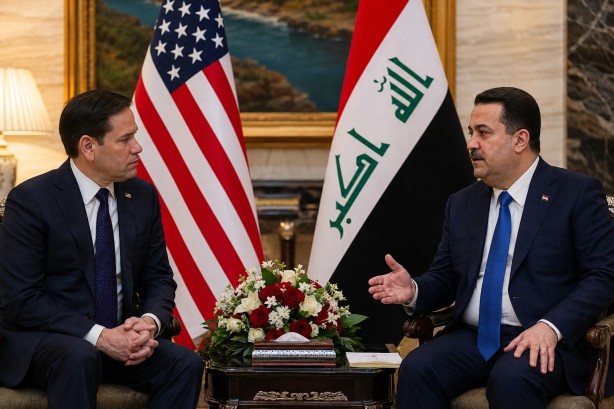
In a significant diplomatic endeavor, Iraqi Prime Minister Ali Al Zaidi recently wrapped up a notable visit to Washington, where he successfully secured economic agreements and aimed to fortify Iraq’s relationship with the United States. This visit not only underscored Iraq’s intent to draw in foreign investment but also sought to enhance security cooperation between the two nations. Al Zaidi’s actions during the visit portrayed him as a leader focused on reform, aspiring to modernize Iraq’s economy and governance.
Despite the optimistic outlook presented by US officials, experts caution that realizing these ambitious commitments will be fraught with challenges. Iraq’s internal political landscape presents a complex hurdle, compounded by the strong influence wielded by Iran-backed groups within the country. Analysts emphasize that these factors could impede the implementation of key security and economic reforms that are crucial for Iraq’s progress.
Moreover, Iraq finds itself in a delicate diplomatic balancing act, as it navigates its relationships with both Washington and Tehran amidst ongoing regional tensions. This dual alignment poses its own set of challenges, requiring Baghdad to adeptly manage its ties with the two powers to maintain stability and progress.
While Prime Minister Al Zaidi’s visit to Washington has unlocked new avenues for potential collaboration, the ultimate success of these efforts hinges on Iraq’s capacity to enact meaningful reforms. Achieving and sustaining stable relations with both the United States and Iran will be essential for the long-term benefits of this diplomatic venture to be realized.